
C4 Corvette Buyers Guide: A Comprehensive Overview (1984-1996)
Navigating the C4 Corvette market requires diligence, considering potential issues like early startup woes, brake spring failures, and electrical gremlins.
The Chevrolet Corvette C4, produced from 1984 to 1996, represents a significant leap forward in Corvette design and technology. This generation aimed to modernize the iconic sports car, moving away from the previous generation’s styling and embracing a more aerodynamic and contemporary aesthetic. However, early production years (1984-1987) experienced some teething problems, notably with the electrical system and starter motors, often requiring rebuilds rather than replacements.
Later models, particularly those with the LT1 engine, addressed many of these concerns, offering improved performance and reliability. The C4’s fiberglass body and independent suspension contributed to its handling prowess, making it a popular choice for enthusiasts. Understanding its evolution is key to a successful purchase.
Historical Context & Design Philosophy
The C4 Corvette emerged during a period of automotive transition in the 1980s, seeking to recapture the Corvette’s performance image. Chevrolet aimed for a more modern, European-inspired design, departing from the traditional Coke-bottle shape. This involved extensive wind tunnel testing to optimize aerodynamics and handling. The initial 1984 model, while groundbreaking, faced challenges, including startup issues and electrical quirks, reflecting the complexities of introducing new technology.
The design philosophy prioritized a lighter weight and improved efficiency, utilizing more aluminum components and a refined chassis. The C4 represented a bold step for Chevrolet, attempting to blend performance with contemporary styling and technology.
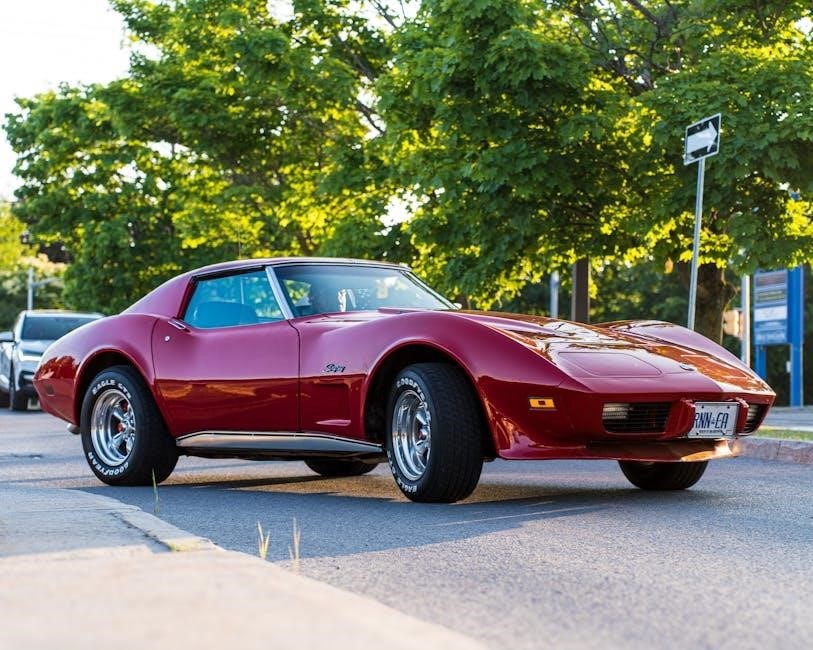
Understanding C4 Corvette Generations
The C4 spanned three distinct generations: early (1984-1987) with initial challenges, mid (1988-1991) featuring refinements, and late (1992-1996) with the LT1 engine.
Early C4 (1984-1987): Initial Years & Challenges
The initial years of the C4 Corvette (1984-1987) presented several challenges for buyers. Notably, the 1984 models were often plagued with starting problems, making a rebuilt starter motor a recommended investment rather than a full replacement. These early iterations also experienced a degree of build quality issues common with first-year designs.
Potential owners should be aware of these early shortcomings and factor them into their pre-purchase inspection. While offering a modern design for their time, these C4s require a more thorough assessment of mechanical and electrical systems to ensure long-term reliability and enjoyment. Expect to address potential issues related to the crossfire engine if considering a 1984 model.
Mid-C4 (1988-1991): Refinements and Improvements
The 1988-1991 C4 Corvettes represent a significant step forward, addressing many of the initial issues found in the earlier models. These years saw refinements to build quality and improvements in overall reliability. While still requiring careful inspection, these mid-year C4s generally offer a more dependable ownership experience.
Buyers should still prioritize a thorough pre-purchase inspection, focusing on suspension components like bushings, shocks, ball joints, and the steering column. These areas are prone to wear over time. However, the mid-C4 generation provides a good balance of classic C4 styling with increased mechanical stability compared to the 1984-1987 models.
Late C4 (1992-1996): LT1 Engine & Final Updates
The 1992-1996 C4 Corvettes are highly sought after, primarily due to the introduction of the potent LT1 engine. This engine delivered a substantial performance boost over the earlier L98, making these models particularly appealing to enthusiasts. However, even with these improvements, diligent inspection remains crucial.
Common issues persist, including potential electrical problems and wear on suspension components. Many LT1 C4s are available for under $5,000, but a pre-purchase inspection is vital to identify any hidden maintenance needs. These later models represent the pinnacle of C4 development, offering a compelling blend of performance and affordability.

Key Mechanical Components to Inspect
Thoroughly examine the engine, transmission, suspension, and brake systems for wear or damage; rebuilding the starter is often preferable to replacement.
Engine Options: L98 vs. LT1
The C4 Corvette offered two primary engine choices: the L98 and the LT1. The L98, found in earlier models, is a tuned port injection (TPI) 350 cubic inch V8, known for its decent power and relatively simple maintenance. However, the later LT1, introduced in 1992, represented a significant leap forward.
This engine also displaced 350 cubic inches but utilized reverse-flow cooling and a more efficient intake manifold, resulting in increased horsepower and torque. While the LT1 offers superior performance, potential buyers should be aware of potential oiling issues in some early LT1 builds. Both engines are generally reliable, but the LT1 provides a more modern driving experience.
Transmission Considerations: Manual vs. Automatic
C4 Corvettes were available with either a manual or automatic transmission. The manual, a Doug Nash 4+3 or later a ZF 6-speed, offers a more engaging driving experience favored by enthusiasts. However, these manuals can be expensive to repair if issues arise. The automatic, a 4-speed Turbo-Hydramatic, is known for its reliability and ease of use, making it suitable for daily driving.
Consider your driving style and budget when choosing. Some owners report issues with all transmission types over time, so a thorough pre-purchase inspection is crucial, regardless of the chosen transmission.
Suspension System: Common Wear Points
The C4 Corvette’s suspension, while advanced for its time, is prone to wear after decades of use. Key areas to inspect include bushings, shocks, ball joints, and the steering column’s U-joints. Worn bushings contribute to vague steering and handling, while failing shocks compromise ride quality and control.
Ball joint wear can cause clunking noises and instability. Expect to address these components, especially on higher-mileage examples. A pre-purchase inspection should specifically assess the condition of these suspension parts to estimate potential repair costs.
Brake System: Issues & Maintenance
C4 Corvettes are known for specific brake system vulnerabilities. A frequent issue involves the brake pad hold-down springs snapping, leading to vibrations and unsettling noises during braking. Premature wear of brake components is also commonly reported, necessitating careful inspection of pads, rotors, and calipers.
Inspect brake lines for corrosion and leaks. Regular flushing of the brake fluid is crucial to maintain optimal performance and prevent internal corrosion. Addressing these issues promptly ensures safe and reliable stopping power.
Starter Motor: Rebuild vs. Replace
Early C4 Corvettes, particularly 1984 models, frequently experience starting problems. Instead of immediately replacing the starter motor, a rebuild is often the more cost-effective and recommended solution. Rebuilding addresses common wear and tear within the starter, restoring its functionality.
Replacement can be significantly more expensive. However, if the starter housing is damaged or severely corroded, replacement might be necessary. Thoroughly assess the starter’s condition before deciding, prioritizing a rebuild whenever feasible to save money and maintain originality.

Common C4 Corvette Problems
C4 Corvettes are prone to electrical issues, brake problems (pad springs, wear), and early model startup difficulties, demanding careful inspection during a purchase.
Electrical System Issues
The C4 Corvette’s electrical system is a frequent source of headaches for owners. Given the car’s age, wiring can become brittle and connections corroded, leading to a multitude of problems. Expect potential issues with the digital dash, power windows, and the complex pop-up headlight system.
One common complaint revolves around intermittent failures of various electrical components. Thoroughly test all lights, signals, and accessories. Inspect wiring harnesses for damage or modifications. Remember that diagnosing electrical faults can be time-consuming and potentially expensive, so factor this into your budget and pre-purchase inspection.
Early Model Startup Problems (1984)
The 1984 Corvette, being a first-year model, is notorious for startup issues. A prevalent problem centers around the starter motor; rebuilding is often recommended over replacement due to cost-effectiveness and reliability. Owners frequently report difficulties getting the car to start, especially after it has been sitting.
This can stem from a weak solenoid, worn brushes, or a failing starter. Thoroughly test the starter’s functionality during a pre-purchase inspection. Be aware that diagnosing and resolving these issues can require specialized knowledge, so consider a mechanic familiar with C4 Corvettes.
Brake Pad Spring Failures
A common and concerning issue with the C4 Corvette involves the brake pad hold-down springs. These springs are prone to snapping, leading to vibrations and noticeable noise during braking. A failed spring can cause the brake pads to move freely, reducing braking efficiency and potentially causing damage to other brake components.
Inspect the springs carefully during a pre-purchase inspection, looking for signs of corrosion or cracking. Replacement is crucial if any issues are detected, as neglecting this can lead to more significant and costly repairs down the line.
Premature Wear of Brake Components
Beyond the spring failures, C4 Corvettes are known to experience premature wear of various brake components. Owners have reported issues with rotors, pads, and calipers wearing out faster than expected, potentially requiring frequent replacements. This accelerated wear can be attributed to several factors, including driving habits, the quality of replacement parts used in the past, and potentially underlying issues within the brake system itself.
Thoroughly inspect the thickness of the rotors and pads during a pre-purchase inspection, and inquire about the brake system’s maintenance history.
Wear and Tear on Suspension Components
Given the C4 Corvette’s age, wear and tear on suspension components is almost inevitable. Common culprits include worn bushings, shocks, ball joints, and even the steering column and U-joints. These components significantly impact handling and ride quality, so identifying wear is crucial. Expect to potentially address these items, factoring the cost into your budget.
Look for signs of cracking or deterioration in the rubber bushings and check for play in the ball joints during the pre-purchase inspection. A test drive will reveal any concerning noises or handling issues.

Body and Interior Inspection
Inspect the fiberglass body for damage, verify pop-up headlight functionality, and assess the condition of seats, the dash, and interior trim for wear and tear.
Fiberglass Body: Damage & Repair
The C4 Corvette’s body is entirely fiberglass, making it susceptible to cracks, chips, and stress fractures. Thoroughly inspect for prior repairs, looking for mismatched paint or uneven surfaces, which can indicate poor workmanship. Examine areas prone to damage, such as around the wheel wells, rocker panels, and the front fascia.
Minor cracks can often be repaired with fiberglass kits, but extensive damage may require professional attention. Assess the cost of repair versus the vehicle’s overall value. Be wary of hidden damage beneath fresh paint, and always check for signs of structural compromise. Remember, quality repairs maintain the Corvette’s value.
Pop-Up Headlight Functionality
The C4 Corvette’s iconic pop-up headlights are a common source of issues. Carefully test each headlight’s operation – they should rise and fall smoothly and consistently. Listen for grinding or struggling noises from the motors, indicating potential failure. Inspect the headlight doors for cracks or damage, and ensure they align properly when closed.
Replacement motors and components are readily available, but repairs can be time-consuming. A non-functional headlight is a safety concern and may affect the vehicle’s inspection. Factor repair costs into your budget, as restoring proper headlight operation is crucial for both aesthetics and legality.
Interior Condition: Seats, Dash, and Trim
Thoroughly assess the C4’s interior. Leather seats often show wear and cracking, especially with age and sun exposure. Check for tears, stains, and excessive bolstering wear. Inspect the dashboard for cracks or warping, a common issue due to heat. Examine all trim pieces for damage, missing clips, or fading.
Ensure all gauges and interior lights function correctly. Test the operation of power windows, locks, and the radio. Replacing interior components can be costly, so factor repair or restoration expenses into your overall purchase decision. A well-maintained interior adds significant value.

Performance & Modifications
The ZR-1 offered significant performance gains, while numerous suspension and engine upgrades are available for other C4 models, enhancing handling and power.
ZR-1 Model: High-Performance Variant
The C4 ZR-1, produced from 1990 to 1995, represents the pinnacle of C4 performance. It’s distinguished by its Lotus-designed and Mercury Marine-built LT5 engine, a 350 cubic inch DOHC V8 producing 375 horsepower. This engine dramatically improved acceleration and top speed compared to the standard L98.
ZR-1s also featured upgraded suspension, brakes, and tires to handle the increased power. Identifying a genuine ZR-1 requires verifying the VIN and checking for specific features like the unique wheels and rear fascia. Due to its limited production and performance capabilities, the ZR-1 is highly sought after by collectors and enthusiasts, commanding a premium price in the market.
Performance Upgrades: Suspension & Engine
Numerous performance upgrades are available for the C4 Corvette, enhancing both handling and power. Suspension modifications often include replacing worn bushings, shocks, and ball joints – common wear points. Upgraded sway bars and coil-overs improve cornering stability.
For engine enhancements, options range from cold air intakes and exhaust systems to aftermarket cylinder heads and camshafts. The LT1 engine responds well to modifications, offering significant power gains. When upgrading, consider the overall goal – street performance versus track use – and budget accordingly. Proper installation and tuning are crucial for maximizing results and ensuring reliability.

Buying Considerations & Pricing
C4 Corvette pricing varies greatly based on year, condition, and mileage, ranging from affordable projects to well-maintained examples; a pre-purchase inspection is vital.
Market Value: Based on Year and Condition
Determining a C4 Corvette’s market value is nuanced, heavily influenced by the model year and its overall condition. Early C4s (1984-1987) generally command lower prices, often falling in the $5,000 ‒ $10,000 range, depending on mileage and upkeep. Mid-year models (1988-1991) see a slight increase, typically between $8,000 and $15,000. The later LT1-equipped C4s (1992-1996) are more desirable, with prices ranging from $10,000 to $20,000+, especially for low-mileage or exceptionally well-preserved examples.
The coveted ZR-1 models, with their unique LT5 engine, can fetch significantly higher prices, often exceeding $30,000 or even $50,000 for pristine specimens. Condition is paramount; cars needing substantial restoration will be priced accordingly, while those in excellent condition command a premium.
Pre-Purchase Inspection: Importance & Checklist
A thorough pre-purchase inspection is crucial when considering a C4 Corvette, mitigating potential costly repairs. Prioritize a professional inspection by a mechanic familiar with these vehicles. Key areas include checking for electrical issues, a common C4 problem, and verifying the functionality of the pop-up headlights. Inspect the brake system for premature wear or failed pad springs.
Evaluate suspension components – bushings, shocks, and ball joints – for wear. Examine the fiberglass body for damage and assess the starter motor’s condition; rebuilding is often preferred over replacement. A detailed inspection safeguards your investment and ensures a rewarding ownership experience.
Finding a C4 Corvette: Online Resources & Forums
Locating a C4 Corvette involves utilizing various online platforms and dedicated forums. CorvetteForum is a valuable resource, offering classifieds, discussions, and expert advice. Online marketplaces like Craigslist, Facebook Marketplace, and Bring a Trailer frequently list C4s for sale. Be cautious and verify seller credibility.
Engage with the Corvette community to gain insights into specific models and potential issues. Forums provide a wealth of knowledge regarding common problems, modifications, and parts availability. Thorough research and networking will significantly improve your chances of finding a well-maintained C4.

Maintenance & Ownership
Regular upkeep is crucial for C4 longevity; parts are generally accessible, though costs vary. Corvette forums provide invaluable community support and technical guidance.
Regular Maintenance Schedule
Maintaining a C4 Corvette requires a consistent schedule to ensure optimal performance and prevent costly repairs. Oil changes should occur every 3,000 miles, utilizing the correct viscosity for your engine. Coolant flushes are vital every two years, alongside regular inspections of hoses and belts. Brake fluid should be replaced bi-annually to maintain braking efficiency.
Don’t neglect the transmission fluid – automatic transmissions benefit from changes every 30,000 miles, while manuals require attention around 50,000 miles. Inspect suspension components, including bushings and ball joints, annually. Regularly check and top off all fluids, and address any leaks promptly. A proactive approach to maintenance will keep your C4 running smoothly for years to come.
Parts Availability & Cost
Fortunately, parts availability for the C4 Corvette remains relatively strong due to its popularity and production numbers. Many common wear items, like brake pads, filters, and fluids, are readily available from multiple vendors at reasonable prices. However, specific components for the ZR-1 or rare trim levels can be more challenging and expensive to source.
Expect to pay more for original GM parts compared to aftermarket alternatives. Body panels, particularly fiberglass, can be costly if significant repairs are needed. Online Corvette forums and dedicated parts suppliers are excellent resources for finding components and comparing prices. Budget accordingly for potential maintenance and repairs.
Community Resources: Corvette Forums
Corvette forums are invaluable resources for C4 owners and prospective buyers. These online communities offer a wealth of technical information, troubleshooting advice, and shared experiences. Members readily discuss common issues like electrical problems, brake wear, and starter motor rebuilds, providing practical solutions.
Forums also serve as excellent marketplaces for buying and selling parts, and connecting with other enthusiasts. CorvetteForum is a particularly active platform, offering dedicated sections for C4-specific discussions. Engaging with these communities can significantly enhance your ownership experience and save you time and money.

Special Editions & Collectibility
Desirable C4 variants include Convertibles, Grand Sport models, and uniquely customized Swedish-built examples, often commanding higher prices due to their rarity and appeal.
Convertible Models
The C4 Corvette convertible, reintroduced in 1986 after a long hiatus, quickly became a popular choice, offering open-air driving enjoyment. Early convertible models experienced some chassis flex, addressed with reinforcements in later years. Inspect the convertible top’s condition carefully, checking for tears, leaks, and proper operation of the hydraulic system.
Pay attention to the condition of the weatherstripping, as it can deteriorate over time, leading to water intrusion. Convertible values often align closely with comparable coupe models, but well-maintained, low-mileage examples can command a premium; Consider the added weight of the convertible top mechanism when evaluating performance.
Grand Sport Models
The 1996 Grand Sport, a limited-edition C4, represents the final year of this generation and is highly sought after by collectors. Available in Admiral Blue with a white stripe or Arctic White with a red stripe, only 1,000 coupes and 810 convertibles were produced. These models featured the potent LT4 engine, delivering 330 horsepower, and a unique suspension setup for enhanced handling.
Due to their rarity and performance, Grand Sports command significantly higher prices than standard C4s. Authenticity is crucial; verify the VIN and documentation to ensure it’s a genuine Grand Sport. Inspect for originality, as some have been modified over the years.
Swedish-Built C4s: Unique Customizations
A fascinating quirk in C4 Corvette history involves cars assembled in Sweden by Vehicle Crafts Sweden (VCS) between 1989 and 1993. These weren’t entirely built from scratch; they utilized kits shipped from the US, undergoing final assembly and customization in Gothenburg. Swedish builds often incorporated unique features, blending American muscle with Japanese design influences, earning awards for their distinctive style.
These customizations can range from subtle interior upgrades to more extensive body modifications. Inspect these cars carefully, documenting any non-standard components. Their rarity adds to their collectibility, but understanding the modifications is key.

Resources for C4 Corvette Owners
Corvette forums and technical information sources are invaluable for C4 owners, offering repair guides, troubleshooting tips, and a supportive community network.
Technical Information Sources
For C4 Corvette owners seeking detailed technical guidance, several resources prove exceptionally valuable. Corvette forums, like CorvetteForum, host extensive archives of discussions, DIY repairs, and troubleshooting advice contributed by experienced enthusiasts. These platforms often feature dedicated sections for specific C4 generation issues.
Beyond forums, online databases and parts retailers frequently offer technical diagrams, repair manuals, and exploded views of C4 components. Websites specializing in Corvette parts often include helpful installation guides and technical articles. Don’t overlook factory service manuals; while potentially costly, they provide the most comprehensive and accurate information for servicing your C4. Accessing these resources empowers owners to confidently tackle maintenance and repairs, preserving the longevity of their classic Corvette.
Corvette Forums and Clubs
Engaging with the Corvette community through forums and clubs is invaluable for C4 owners. CorvetteForum stands out as a prominent online hub, offering dedicated C4 sections for discussions, troubleshooting, and sharing experiences. These platforms connect you with fellow enthusiasts who possess a wealth of knowledge regarding common issues and solutions.
Local Corvette clubs provide opportunities for in-person interaction, group drives, and technical assistance. Club members often organize workshops and events focused on C4 maintenance and restoration. Joining a club fosters camaraderie and provides access to a network of experienced owners willing to share their expertise, enhancing your C4 ownership experience.