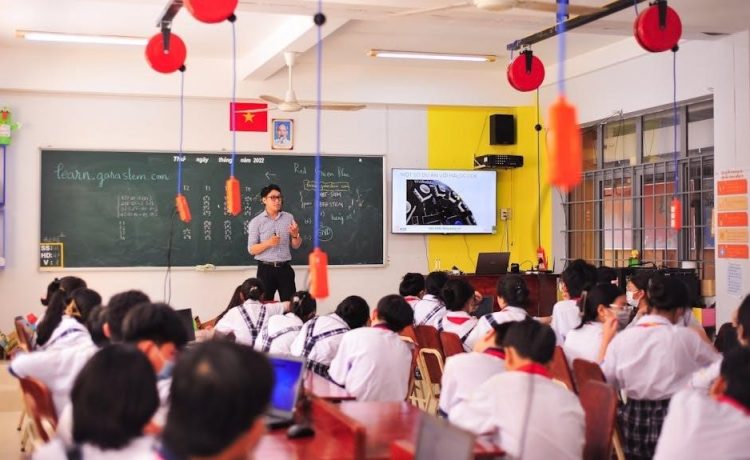
Instructional Technology and Media for Learning‚ in its 12th edition‚ provides educators with current innovations—mobile learning‚ AI‚ and AR—to enhance student outcomes.
The Evolving Landscape of Learning
The field of education is undergoing a rapid transformation‚ driven by continuous advancements in technology and a shifting understanding of how people learn best. Traditional‚ teacher-centered approaches are evolving towards more student-centric‚ active learning environments.
Instructional Technology and Media for Learning recognizes this dynamic shift‚ equipping educators with the knowledge and skills to effectively integrate technology. The 12th edition specifically addresses emerging trends like artificial intelligence‚ augmented reality‚ and coding‚ preparing teachers for the future of education.
This evolution demands a focus on not just using technology‚ but strategically selecting and evaluating media to align with content standards and diverse student needs.
The Role of the “Instructional Technology and Media for Learning” Textbook
This textbook serves as a comprehensive guide for educators navigating the complexities of integrating technology into their teaching practices. It doesn’t simply present tools‚ but provides a framework for thoughtful selection‚ utilization‚ and evaluation of instructional media.
The 12th edition is crucial for staying current with innovations like mobile learning‚ Web 2.0 tools‚ and social media‚ alongside vital considerations like copyright and digital citizenship.
Furthermore‚ the availability through Revel offers an interactive learning experience‚ enhancing student engagement and comprehension of these essential concepts.

Foundational Models and Frameworks
The textbook utilizes models like ASSURE to systematically plan lessons‚ and SAMR to redefine technology integration‚ ensuring effective and purposeful learning experiences.
The ASSURE Model: A Systematic Approach
The ASSURE model‚ prominently featured within Instructional Technology and Media for Learning‚ offers a structured‚ systematic approach to lesson planning and effective technology integration. This framework guides educators through six key stages: Analyze learners‚ State objectives‚ Select methods‚ media‚ and materials‚ Utilize media and materials‚ Require learner participation‚ and Evaluate and revise.
By consistently applying ASSURE‚ teachers can thoughtfully align instructional strategies with learning goals‚ ensuring that chosen media meaningfully supports student understanding and achievement. The book emphasizes how this model clarifies the process of incorporating technology into lessons.
SAMR Model: Redefining Technology Integration
Instructional Technology and Media for Learning explores the SAMR model – Substitution‚ Augmentation‚ Modification‚ and Redefinition – as a powerful framework for evaluating technology integration levels. This model moves beyond simply using technology to transforming learning experiences.
Substitution and Augmentation enhance existing tasks‚ while Modification fundamentally alters the task itself. Redefinition creates entirely new learning possibilities previously inconceivable without technology. The book encourages educators to strive for the higher levels of SAMR‚ fostering innovative and impactful learning environments for all students.

Key Technologies and Media Types
Instructional Technology and Media for Learning details vital technologies like mobile learning‚ Web 2.0 tools‚ social media‚ and immersive AR/VR experiences.
Mobile Learning: Devices and Applications
Mobile learning represents a significant shift in educational approaches‚ as highlighted in Instructional Technology and Media for Learning. This encompasses utilizing smartphones‚ tablets‚ and other portable devices for instructional purposes. The textbook emphasizes the importance of selecting appropriate applications and considering how mobile technology can enhance engagement and accessibility.
Educators can leverage mobile devices for diverse activities‚ from accessing digital textbooks and completing interactive assignments to participating in collaborative projects and receiving immediate feedback. The 12th edition explores how to effectively integrate these tools‚ ensuring alignment with content standards and catering to the varied learning needs of all students. It’s a dynamic area constantly evolving with new devices and applications.
Web 2.0 Tools for Collaborative Learning
Instructional Technology and Media for Learning dedicates attention to Web 2.0 tools‚ recognizing their power to foster collaborative learning environments. These tools—including wikis‚ blogs‚ and social networking platforms—enable students to actively participate in knowledge construction and share ideas with peers.
The textbook explores how educators can strategically implement these technologies to promote communication‚ teamwork‚ and critical thinking skills. It emphasizes the importance of guiding students in responsible online interactions and ensuring that these tools align with learning objectives. The 12th edition highlights the potential of Web 2.0 to transform traditional classrooms into dynamic‚ interactive learning communities.
Social Media in Education: Opportunities and Challenges
Instructional Technology and Media for Learning acknowledges the growing presence of social media and its complex role in education. The text delves into both the opportunities and challenges presented by platforms like Twitter‚ Facebook‚ and Instagram within learning contexts.
It explores how educators can leverage social media to enhance student engagement‚ facilitate communication‚ and extend learning beyond the classroom walls. Simultaneously‚ the book addresses critical concerns such as privacy‚ digital citizenship‚ and the potential for distraction. The 12th edition provides guidance on navigating these issues responsibly and ethically‚ ensuring a safe and productive learning experience.
Augmented Reality (AR) and Virtual Reality (VR) in the Classroom
Instructional Technology and Media for Learning highlights the transformative potential of Augmented Reality (AR) and Virtual Reality (VR) in modern education. The 12th edition explores how these immersive technologies can create engaging and interactive learning experiences for students.
It examines practical applications of AR and VR across various subjects‚ allowing students to visualize complex concepts and explore environments otherwise inaccessible. The text also addresses considerations for effective implementation‚ including cost‚ accessibility‚ and pedagogical alignment‚ ensuring these tools enhance‚ rather than distract from‚ learning objectives.

Emerging Trends in Instructional Technology
Instructional Technology and Media for Learning details crucial emerging trends like artificial intelligence‚ coding literacy‚ and transdisciplinary learning for educators.
Artificial Intelligence (AI) in Education
Instructional Technology and Media for Learning highlights the growing influence of Artificial Intelligence (AI) within educational settings. The 12th edition explores how AI is no longer a futuristic concept‚ but a present-day tool reshaping teaching and learning processes. Discussions focus on AI’s potential to personalize learning experiences‚ providing tailored support and feedback to students based on their individual needs and progress.
Furthermore‚ the text examines AI-powered tools for automating administrative tasks‚ freeing up educators’ time for more focused instruction. It also addresses the ethical considerations surrounding AI in education‚ emphasizing the importance of responsible implementation and data privacy. The book prepares educators to navigate this evolving landscape and leverage AI effectively.
Coding as Literacy: Developing Computational Thinking
Instructional Technology and Media for Learning recognizes coding not merely as a technical skill‚ but as a fundamental literacy for the 21st century. The 12th edition emphasizes the importance of developing computational thinking skills – problem-solving‚ logical reasoning‚ and algorithmic thinking – through coding activities.
The text explores how integrating coding into various subject areas can enhance student engagement and deepen understanding of core concepts. It discusses age-appropriate coding tools and resources‚ empowering educators to introduce coding concepts even without prior programming experience. The book advocates for fostering creativity and innovation through coding‚ preparing students for future careers.
Transdisciplinary Learning and Technology Integration
Instructional Technology and Media for Learning highlights the growing trend of transdisciplinary learning‚ where technology serves as a bridge connecting multiple subject areas. The 12th edition stresses that effective technology integration isn’t about isolated tool use‚ but about fostering holistic understanding.
The text explores how digital resources can facilitate project-based learning experiences that address real-world problems‚ requiring students to apply knowledge from diverse disciplines. It encourages educators to move beyond simply using technology in subjects‚ to using it to connect subjects to each other‚ promoting deeper‚ more meaningful learning.

Legal and Ethical Considerations
Instructional Technology and Media for Learning thoroughly addresses crucial legal aspects like copyright issues and fair use‚ alongside digital citizenship for responsible tech use.
Copyright Issues and Fair Use
Instructional Technology and Media for Learning dedicates significant attention to navigating the complex landscape of copyright law within educational settings. Understanding these regulations is paramount as educators increasingly integrate digital resources into their teaching practices. The text likely explores the nuances of copyright protection‚ outlining what materials are shielded and the permissible uses of copyrighted works.
Furthermore‚ it delves into the doctrine of fair use‚ explaining the conditions under which copyrighted material can be utilized without permission for purposes such as criticism‚ commentary‚ news reporting‚ teaching‚ scholarship‚ or research. Educators will gain insights into factors considered when determining fair use‚ ensuring they responsibly and legally incorporate media into their lessons.
Digital Citizenship and Responsible Technology Use
Instructional Technology and Media for Learning recognizes the crucial role of fostering responsible digital citizens. The text likely addresses the ethical considerations surrounding technology use in education‚ extending beyond simply knowing how to use tools to understanding how to use them responsibly. This includes discussions on online safety‚ privacy‚ and respectful communication in digital spaces.
Educators will find guidance on teaching students to navigate the digital world ethically and legally‚ promoting responsible online behavior. The book probably emphasizes the importance of critical thinking when evaluating online information and understanding the potential consequences of digital actions‚ preparing students for a connected world.
Selecting and Evaluating Instructional Media
Instructional Technology and Media for Learning explores criteria for media selection and evaluating technology integration’s effectiveness‚ ensuring alignment with learning objectives.
Criteria for Media Selection
Instructional Technology and Media for Learning emphasizes thoughtful media selection‚ guiding educators to align technology with content standards and diverse student needs. The text likely details crucial criteria‚ encompassing pedagogical goals‚ learner characteristics‚ and accessibility considerations.
Effective media should enhance engagement‚ promote active learning‚ and facilitate comprehension. Furthermore‚ the book probably stresses evaluating media for accuracy‚ currency‚ and relevance to the curriculum. Practical considerations‚ such as cost‚ technical requirements‚ and teacher proficiency‚ are also vital components of the selection process. Ultimately‚ the goal is to choose media that demonstrably improves learning outcomes for all students.
Evaluating the Effectiveness of Technology Integration
Instructional Technology and Media for Learning doesn’t just advocate for technology use; it likely stresses the importance of rigorous evaluation. Assessing whether technology truly enhances learning is paramount‚ moving beyond simply using tools to measuring their impact on student achievement.
The book probably outlines methods for gathering data – student work‚ assessments‚ observations – to determine if integration meets pedagogical goals; Analyzing student engagement‚ comprehension‚ and skill development are key. Effective evaluation informs future technology choices and ensures resources are used strategically to maximize learning for all students.

The Revel Learning Environment
Instructional Technology and Media for Learning is available through Revel‚ offering an interactive digital experience for reading‚ practicing‚ and continuous study.
Interactive Learning Experiences
Instructional Technology and Media for Learning‚ when accessed via Revel‚ transforms traditional textbook content into a dynamic and engaging learning journey. This platform isn’t simply a digital version of the book; it’s a fully integrated environment designed to actively involve students. Revel incorporates interactive elements throughout‚ allowing learners to practice concepts immediately after reading about them.
These experiences include embedded activities‚ simulations‚ and opportunities for self-assessment‚ fostering a deeper understanding of instructional technology principles. The continuous experience ensures students can seamlessly move between reading‚ practicing‚ and studying‚ maximizing retention and application of knowledge.
Benefits of Digital Learning Platforms
Instructional Technology and Media for Learning gains significant advantages through platforms like Revel‚ offering a cohesive and immersive educational experience. Digital platforms provide immediate feedback on student understanding‚ allowing for personalized learning paths and targeted support. Accessibility is greatly enhanced‚ enabling students to learn anytime‚ anywhere‚ with an internet connection.
Furthermore‚ these platforms often include analytics that provide instructors with valuable insights into student progress and areas needing improvement. This data-driven approach facilitates more effective teaching and allows for adjustments to instructional strategies‚ ultimately leading to better learning outcomes for all students.

Impact on Diverse Learners
Instructional Technology and Media for Learning emphasizes meeting the needs of all students‚ incorporating accessible design and technology to support diverse learning styles.
Addressing Learning Needs with Technology
Instructional Technology and Media for Learning actively promotes utilizing technology to cater to varied student requirements. The text explores how educators can strategically select and implement media that aligns with content standards while simultaneously addressing individual learning needs. This includes considering assistive technologies and differentiated instruction approaches.
The book emphasizes that effective technology integration isn’t simply about using the latest gadgets; it’s about thoughtfully choosing tools that remove barriers and provide equitable access to learning for all students‚ regardless of their abilities or learning preferences. It guides teachers in creating inclusive learning environments.
Accessibility and Inclusive Design
Instructional Technology and Media for Learning underscores the critical importance of accessibility in educational technology. The text advocates for Universal Design for Learning (UDL) principles‚ ensuring materials and activities are perceivable‚ operable‚ and understandable by all learners. This includes considerations for students with disabilities‚ diverse learning styles‚ and varying levels of technological proficiency.
The book stresses that inclusive design isn’t an afterthought‚ but a foundational element of effective technology integration. It encourages educators to proactively select and adapt resources to create equitable learning experiences‚ fostering participation and success for every student.
Future Directions in Instructional Technology
Instructional Technology and Media for Learning anticipates ongoing evolution‚ highlighting predictive trends and innovations like AI‚ shaping the future of learning technologies.
Predictive Trends and Innovations
Instructional Technology and Media for Learning consistently emphasizes the dynamic nature of the field‚ and the 12th edition is no exception. Looking ahead‚ artificial intelligence (AI) promises personalized learning experiences and automated assessment tools‚ fundamentally altering instructional design. Augmented and virtual reality (AR/VR) will likely become more integrated‚ offering immersive and engaging educational simulations.
Furthermore‚ the growing importance of coding as a foundational literacy suggests a continued focus on developing computational thinking skills. Transdisciplinary learning‚ facilitated by technology‚ will blur the lines between subjects‚ fostering holistic understanding. The book prepares educators to navigate these shifts‚ ensuring they can effectively leverage emerging technologies to meet the evolving needs of learners.
The Ongoing Evolution of Learning Technologies
Instructional Technology and Media for Learning acknowledges that technology in education isn’t static; it’s a continuously evolving landscape. The 12th edition reflects this by covering recent innovations like mobile learning‚ Web 2.0 tools‚ and social media’s role in education.
The book prepares educators for future changes‚ emphasizing adaptability and critical evaluation of new tools. It highlights the need to align technology with content standards and diverse student needs. This ongoing evolution demands continuous professional development and a commitment to exploring emerging trends like AI and AR‚ ensuring effective and equitable learning experiences.

Practical Applications for Educators
Instructional Technology and Media for Learning assists educators with lesson planning and professional development‚ integrating technology to meet diverse student learning requirements.
Lesson Planning with Technology
Instructional Technology and Media for Learning emphasizes a systematic approach to integrating technology into lesson plans‚ notably utilizing the ASSURE model. This framework guides educators in analyzing learner characteristics‚ stating objectives‚ selecting methods‚ utilizing media and materials‚ requiring learner participation‚ and evaluating/revising the lesson.
The textbook helps teachers thoughtfully consider how technology aligns with content standards while simultaneously addressing the diverse learning needs of all students. It encourages a deliberate selection process‚ ensuring chosen technologies genuinely enhance learning‚ rather than simply being used for novelty’s sake. Through practical examples and revised discussions‚ educators can confidently design effective‚ technology-rich lessons.
Professional Development and Technology Integration
Instructional Technology and Media for Learning recognizes the crucial role of ongoing professional development in successful technology integration. The 12th edition equips educators with the knowledge to navigate emerging trends like AI‚ AR‚ and coding as literacy‚ fostering a continuous learning mindset.
The text doesn’t just present tools; it explores how to effectively implement them‚ addressing potential challenges and promoting best practices. By staying current with innovations‚ teachers can confidently select and utilize technologies that genuinely enhance instruction and meet the evolving needs of 21st-century learners‚ ultimately improving student outcomes.