Craftsman Lawn Mower Instruction Manual: A Comprehensive Guide (Updated 12/04/2025)
Welcome! This manual, updated today, December 4th, 2025, provides detailed instructions for optimal performance and safety with your Craftsman lawn mower, consistently highly-rated.
Congratulations on selecting a Craftsman lawn mower! This manual serves as your guide to understanding and maintaining your new machine. Craftsman consistently ranks highly among major lawn brands, earning favorable reviews in 2024 and continuing into 2025, particularly at retailers like Lowe’s.
Before your first use, carefully review this manual to familiarize yourself with its features, controls, and safety precautions. This ensures efficient operation, prolonged lifespan, and, most importantly, your safety. We’ve designed this mower for reliable performance and a beautifully manicured lawn.
Safety Precautions

Prioritize safety! Operating a lawn mower involves inherent risks. Always read and understand all safety instructions before use. Keep children and pets well clear of the mowing area. Never operate the mower while under the influence of drugs or alcohol.
Wear appropriate safety gear, including eye protection and sturdy footwear. Inspect the mowing area for obstacles. Disconnect the spark plug before performing any maintenance. Following these precautions will minimize the risk of injury and ensure safe operation of your Craftsman mower.
General Safety Rules
Essential guidelines for safe operation: Always be aware of your surroundings and potential hazards. Never allow untrained individuals to operate the mower. Ensure adequate ventilation when working with fuel. Keep hands and feet away from moving parts.
Never tamper with safety devices. Use the mower only for its intended purpose – cutting grass. Report any malfunctions immediately. Adhering to these general safety rules is crucial for preventing accidents and maintaining a safe working environment while using your Craftsman lawn mower.
Specific Lawn Mower Safety
Prioritize safety during operation: Before each use, inspect the lawn for obstacles. Never operate the mower while under the influence of drugs or alcohol. Avoid steep slopes and wet grass. Always disengage blades before crossing gravel or roadways.
Wear appropriate safety gear, including eye and foot protection. Never reach under the deck while the engine is running. Following these specific safety precautions will help ensure a safe and efficient mowing experience with your Craftsman mower.
Understanding Your Lawn Mower Components
Familiarize yourself with key areas: Your Craftsman mower features a robust engine, designed for reliable power. The deck houses the blades, crucial for cutting performance. Understand the location of controls – steering, speed, and blade engagement – for optimal operation.
Indicators provide vital information about fuel levels and engine status. Knowing these components and their functions will enhance your mowing experience and facilitate proper maintenance, ensuring longevity.
Engine Overview
Powering your Craftsman: The engine is the heart of your mower, delivering the force needed for effective cutting. It’s typically a single-cylinder, air-cooled engine, known for its durability and ease of maintenance. Key components include the carburetor, spark plug, and cooling fins.

Regular oil checks and air filter cleaning are vital for optimal engine performance. Understanding its basic operation ensures efficient mowing and extends the engine’s lifespan, providing years of reliable service.
Deck and Blades
The Cutting System: Your Craftsman’s deck houses the blades responsible for a clean cut. Deck construction varies – stamped steel is common, offering a balance of strength and affordability. Blade design impacts mulching and bagging performance.
Regular inspection for damage is crucial. Sharp blades are essential for a healthy lawn; dull blades tear grass, causing stress. Maintaining proper blade balance prevents excessive vibration and ensures a consistent cut quality.
Controls and Indicators
Understanding the Panel: Familiarize yourself with the control panel. Key controls include the ignition switch, throttle, blade engagement lever, and speed selector (on riding mowers). Indicators like the low oil warning light and fuel gauge provide vital information.
The operator presence control (OPC) ensures the engine stops when you leave the seat. Understanding these controls and indicators is paramount for safe and efficient operation of your Craftsman mower.
Pre-Operation Checks
Essential First Steps: Before each use, perform crucial pre-operation checks to ensure safe and efficient mowing. This includes verifying fluid levels – oil, fuel, and coolant (if applicable). A thorough blade inspection is vital; look for damage or dullness.
Additionally, check tire pressure and overall tire condition. Addressing these points proactively prevents potential issues and extends the lifespan of your Craftsman lawn mower, guaranteeing optimal performance.

Fluid Level Checks (Oil, Fuel, Coolant)
Maintaining Optimal Levels: Regularly check the oil level using the dipstick, ensuring it falls within the designated range. Verify sufficient fuel is present for the mowing task. If your model has a coolant system, inspect the coolant level and add as needed.
Low fluid levels can cause engine damage. Always use the manufacturer’s recommended fluids for peak performance and longevity of your Craftsman lawn mower’s engine.
Blade Inspection
Prior to each use, thoroughly inspect the mower blades for any signs of damage, such as cracks, bends, or excessive wear. Dull blades tear grass, leading to an unhealthy lawn. Sharpen or replace blades immediately if damage is detected.
Ensure blades are securely attached. A loose blade poses a significant safety hazard. Regularly inspecting blades contributes to a clean cut and extends the life of your Craftsman mower.
Tire Pressure and Condition
Maintaining proper tire pressure is crucial for optimal performance and a comfortable mowing experience. Check tire pressure before each use, and inflate to the manufacturer’s recommended PSI (pounds per square inch) – typically found on the tire sidewall.
Inspect tires for cuts, bulges, or excessive wear. Damaged tires can affect handling and stability. Regularly checking tire condition ensures a safe and efficient mowing operation with your Craftsman lawn mower.
Starting and Stopping the Engine
Proper engine operation is vital for efficient lawn care. This section details cold and warm start procedures, ensuring reliable ignition every time. Always engage the parking brake before starting. Familiarize yourself with the emergency stop procedures for immediate shutdown if needed.
Follow the outlined steps carefully to avoid potential issues and maximize the lifespan of your Craftsman lawn mower’s engine, contributing to a smooth and productive mowing experience.
Cold Start Procedure
For a cold start, ensure the fuel valve is open and the choke is engaged. Turn the ignition key to the ‘start’ position, releasing it once the engine fires. Gradually disengage the choke as the engine warms up. If the engine doesn’t start after several attempts, consult the troubleshooting section.
Allow the engine to run for a few minutes to reach optimal operating temperature before engaging the blades, ensuring peak performance and longevity of your Craftsman mower.
Warm Start Procedure
When starting a warm engine, the choke may not be necessary. Turn the ignition key to the ‘start’ position, and the engine should ignite quickly. Avoid prolonged cranking, as this can strain the battery and starter motor. If the engine hesitates, briefly engage the choke and try again.

A warm start indicates a healthy fuel system and efficient combustion, contributing to the reliable operation of your Craftsman lawn mower.
Emergency Stop Procedures
In any emergency situation, immediately disengage the blade engagement lever. Simultaneously, release the foot pedal that controls forward motion. For a rapid stop, turn the ignition key to the ‘off’ position.
Ensure the blades come to a complete standstill before approaching the mower deck. Familiarize yourself with these procedures before operating the Craftsman mower for swift, safe response during unexpected events.
Operating Instructions
Before each use, carefully inspect the mowing area for obstacles. Begin mowing in a straight line, overlapping each pass slightly for a clean, even cut. Adjust the cutting height using the designated lever, selecting a suitable height for your lawn’s condition.
Utilize mulching, bagging, or side discharge options as desired. Remember consistent speed and proper technique contribute to optimal performance and a beautifully maintained lawn with your Craftsman mower.
Adjusting Cutting Height
Locate the cutting height adjustment lever, typically near the wheels. This lever controls the distance between the blade and the ground. Craftsman mowers offer multiple height settings, usually indicated by numbers or markings.
Select the desired height based on your grass type and preferred lawn appearance. Lower settings are ideal for short, frequently mowed lawns, while higher settings suit longer grass or uneven terrain. Always ensure all wheels are set to the same height.
Mowing Techniques
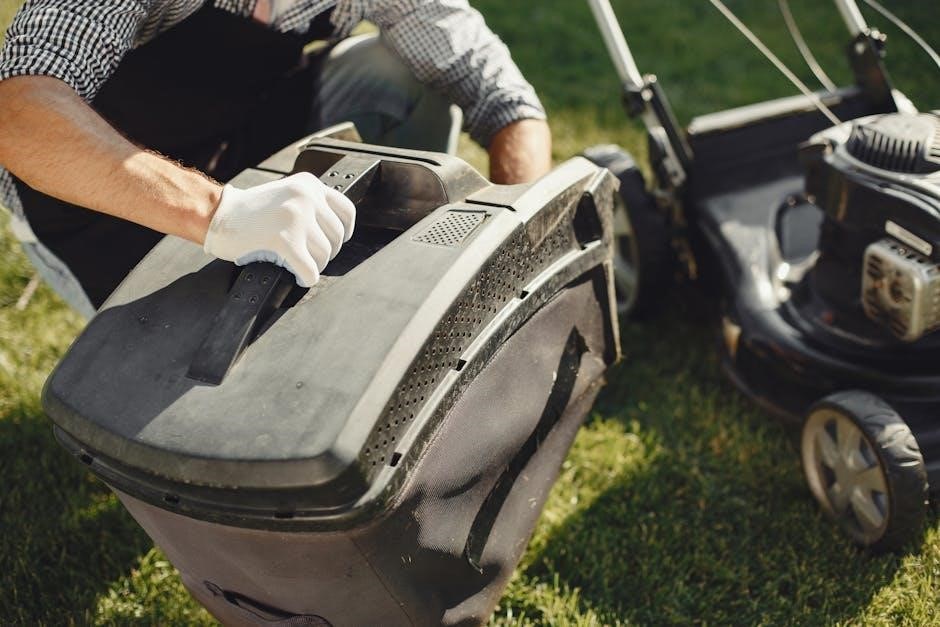
Overlap each mowing pass by a few inches to prevent scalping and ensure a consistent cut. Maintain a steady walking pace for even results. Avoid sharp turns while mowing, as this can damage the lawn and strain the mower.
When mowing tall grass, raise the cutting height and make multiple passes, gradually lowering the height with each pass. This prevents overloading the engine and provides a healthier cut for your lawn.
Mulching, Bagging, and Side Discharge
Mulching finely chops grass clippings and returns them to the lawn as fertilizer, promoting healthy growth. Bagging collects clippings for disposal, ideal for a pristine appearance and preventing thatch buildup.
Side discharge expels clippings to the side, suitable for longer grass or larger areas. Ensure the discharge chute is directed away from people, pets, and obstacles. Select the method best suited to your lawn’s needs and desired aesthetic.
Maintenance Schedule
Regular maintenance is crucial for longevity and peak performance. After each use, clean the deck. Check the oil level before every mowing session. Sharpen or replace blades annually, or more often with heavy use.
Seasonal maintenance, particularly winterization, prepares your mower for storage. Stabilize fuel, change the oil, and clean the entire machine thoroughly. Following this schedule ensures reliable operation for years to come.
Regular Maintenance Tasks
After each use, thoroughly clean the mower deck to prevent corrosion and buildup. Before every mowing session, inspect the oil level and add if necessary. Regularly check for loose nuts and bolts, tightening as needed.
Monthly, inspect the air filter and clean or replace it. Keep the exterior clean. These simple tasks contribute significantly to the mower’s lifespan and optimal cutting performance, ensuring years of reliable service.

Seasonal Maintenance (Winterization)
Before storing for winter, drain the fuel tank completely to prevent fuel degradation and carburetor issues. Change the oil to remove contaminants accumulated during the mowing season. Disconnect the spark plug wire for safety.
Clean the mower deck thoroughly and apply a protective coating. Store in a dry, covered area. Following these steps ensures a smooth start when spring arrives, maximizing the mower’s longevity and performance.
Blade Care and Replacement
Maintaining sharp blades is crucial for a clean cut and healthy lawn. Regularly inspect blades for damage – nicks, bends, or excessive wear. Sharpen dull blades to restore cutting efficiency; a balanced blade is essential.
Replace blades when they are severely damaged or worn beyond sharpening. Always disconnect the spark plug before working on the blade. Use appropriate safety gear and torque specifications during replacement for optimal performance.
Sharpening Blades
Maintaining blade sharpness ensures a clean cut, promoting lawn health and reducing engine strain. Remove the blade and secure it safely. Use a metal file or a blade sharpening tool, following the original angle.
Balance the blade after sharpening – an unbalanced blade causes excessive vibration. Reinstall the blade securely, ensuring proper torque. Regular sharpening, typically twice a season, extends blade life and optimizes mowing performance. Always wear gloves and eye protection.
Replacing Blades
Damaged blades must be replaced immediately for safety and optimal cutting. Disconnect the spark plug before beginning. Use appropriate wrenches to remove the blade bolt, noting its orientation.
Install the new blade, ensuring it’s facing the correct direction – the cutting edges should point upwards when the deck is upright. Tighten the blade bolt to the manufacturer’s specified torque. Always balance the new blade before use to prevent vibration and damage.
Troubleshooting Common Issues
Experiencing problems? This section addresses frequent concerns. Engine won’t start? Check fuel levels, spark plug connection, and ensure the safety interlocks are engaged. Uneven cut? Inspect blade sharpness, deck level, and tire pressure.
Excessive vibration often indicates an unbalanced blade or loose components. Refer to specific sections for detailed solutions. Always prioritize safety and disconnect the spark plug before inspecting or repairing.
Engine Won’t Start
If the engine fails to start, first verify sufficient fuel and oil levels. Check the spark plug for fouling or damage, ensuring a proper connection. Confirm the safety interlock is fully engaged – a common issue! Inspect the fuel line for obstructions or kinks.
A flooded engine may require allowing it to sit for a period before attempting restart. Consult the ‘Fuel System Maintenance’ section for further assistance with fuel-related problems.
Uneven Cut
An uneven cut often indicates dull or damaged blades. Refer to ‘Blade Care and Replacement’ for sharpening or replacement instructions. Ensure the deck is level and free of obstructions like accumulated grass clippings. Check tire pressure – uneven inflation can affect cutting height consistency.
Adjusting the cutting height to a higher setting can sometimes alleviate minor unevenness. Mowing too quickly can also contribute; reduce speed for a cleaner cut.
Excessive Vibration
Significant vibration signals a potential issue requiring immediate attention. First, inspect the blade for damage – bends or imbalances cause substantial shaking. Ensure the blade is securely fastened with the correct hardware, tightened to specification.
Check the engine mounting bolts; loose bolts contribute to vibration. Inspect the deck for any structural damage or loose components. If vibration persists, consult a qualified service technician for diagnosis.
Belt Replacement
Replacing worn belts restores proper functionality to your Craftsman mower’s drive system. Begin by disconnecting the spark plug wire for safety. Identify the belt type – deck, drive, or blade engagement – using your mower’s parts diagram. Remove any covers or guards obstructing access to the belt.
Carefully remove the old belt, noting its routing. Install the new belt, ensuring correct alignment around pulleys. Reinstall covers and reconnect the spark plug wire before operation.
Identifying Belt Types
Craftsman lawn mowers utilize several belt types, each serving a distinct purpose. The deck belt drives the mower blades, while the drive belt powers the wheels for self-propelled models. Blade engagement belts connect the engine to the blade clutch.
Consult your mower’s parts diagram, typically found in the owner’s manual or online, to accurately identify the specific belt needed. Note the belt’s length, width, and number of ribs for correct replacement.
Replacing Drive Belts
To replace a drive belt, first disconnect the spark plug wire for safety. Remove the mower deck or access panel as outlined in your owner’s manual. Carefully release tension on the belt tensioner, then slip the old belt off the pulleys.
Install the new belt, ensuring it’s properly seated in all pulley grooves. Re-engage the tensioner and verify the belt tracks correctly. Reattach the deck and reconnect the spark plug wire before operation.
Fuel System Maintenance
Maintaining a clean fuel system is crucial for reliable engine performance. Regularly replace the fuel filter to prevent debris from reaching the carburetor. Use fresh fuel and consider a fuel stabilizer, especially during storage.
If the carburetor becomes clogged, carefully clean it following the manufacturer’s instructions. Avoid using harsh chemicals that could damage internal components. Proper fuel maintenance ensures optimal engine efficiency and longevity.
Fuel Filter Replacement
To replace the fuel filter, first, safely shut off the engine and disconnect the spark plug wire. Locate the fuel filter, typically in the fuel line between the fuel tank and carburetor. Carefully remove the old filter, noting the direction of fuel flow.
Install the new filter ensuring correct orientation. Securely clamp the fuel line to prevent leaks. Prime the carburetor by operating the primer bulb several times before restarting the engine. Regular replacement maintains optimal fuel delivery.
Carburetor Cleaning

A clogged carburetor can cause starting issues or poor engine performance; First, disconnect the fuel line and air intake. Carefully disassemble the carburetor, noting the position of all parts. Use carburetor cleaner to thoroughly spray and remove any deposits or varnish.
Pay close attention to the jets and passages, ensuring they are clear. Reassemble the carburetor carefully, and reconnect the fuel line and air intake. Proper cleaning restores optimal fuel-air mixture.
Electrical System Overview
The Craftsman lawn mower’s electrical system powers the ignition and starting functions. It comprises a battery, charging system, starter solenoid, and ignition coil. The battery provides the initial power for starting, recharged by the alternator during operation. A faulty system can prevent starting or cause intermittent running.
Regular maintenance, including battery checks and spark plug replacement, is crucial for reliable performance. Always disconnect the spark plug wire before working on the electrical components for safety.
Battery Maintenance
Maintaining your Craftsman lawn mower’s battery is vital for consistent starting. Keep the battery terminals clean and free of corrosion using a wire brush and baking soda solution. Check the electrolyte level (if applicable) and add distilled water as needed. During storage, disconnect the battery to prevent discharge, or use a battery tender.
A fully charged battery ensures reliable ignition. Regularly inspect the battery casing for cracks or damage, and replace if necessary. Proper battery care extends its lifespan and ensures optimal performance.
Spark Plug Replacement
To ensure optimal engine performance, replace the spark plug according to the maintenance schedule, or when fouled. Disconnect the spark plug wire before removal to prevent accidental starting. Use the correct spark plug type specified in the engine specifications.
Gap the new spark plug to the manufacturer’s recommended setting using a spark plug gapping tool. Carefully thread the new spark plug into the cylinder head and tighten to the specified torque. A properly functioning spark plug is crucial for efficient combustion.
Storage and Transportation
For long-term storage, thoroughly clean the mower, drain fuel to prevent carburetor issues, and add fuel stabilizer. Disconnect the battery to avoid discharge and potential corrosion. Store in a dry, covered area, away from flammable materials.
When transporting, ensure the mower is cool and the fuel tank is empty or properly secured. Use appropriate tie-down straps to prevent shifting during transit. Always follow local regulations regarding fuel transportation.
Long-Term Storage
Preparing your Craftsman for extended downtime requires careful attention. First, thoroughly clean the mower deck, removing all grass and debris. Drain the fuel tank completely, or add a fuel stabilizer to prevent gumming and corrosion within the fuel system.
Disconnect the spark plug wire and remove the battery, storing it in a cool, dry place. Cover the mower with a breathable tarp to protect it from dust and moisture during storage.
Safe Transportation Practices
When transporting your Craftsman lawn mower, ensure the engine is completely cooled and the spark plug wire is disconnected. Engage the parking brake and secure the mower to a trailer or truck bed using appropriate straps or tie-downs.
Always comply with local transportation regulations. Drain fuel if transporting long distances to reduce weight and potential hazards. Protect the mower from damage during transit with padding or a cover.
Warranty Information
Your Craftsman lawn mower is backed by a manufacturer’s warranty covering defects in materials and workmanship. Warranty duration varies depending on the specific model; refer to the separate warranty document included with your purchase for precise details.
This warranty does not cover items damaged through misuse, accident, or lack of proper maintenance. Registration of your mower may be required to activate full warranty benefits. Keep your proof of purchase for warranty claims.
Contact Information & Support
For assistance with your Craftsman lawn mower, or to locate the nearest authorized service center, please visit the official Craftsman website. Customer support is also available via phone during business hours – check the website for current contact numbers.
Online resources, including FAQs and troubleshooting guides, are readily accessible. Craftsman consistently receives favorable reviews, and their support team is dedicated to resolving any issues you may encounter with your new mower.